Research Articles
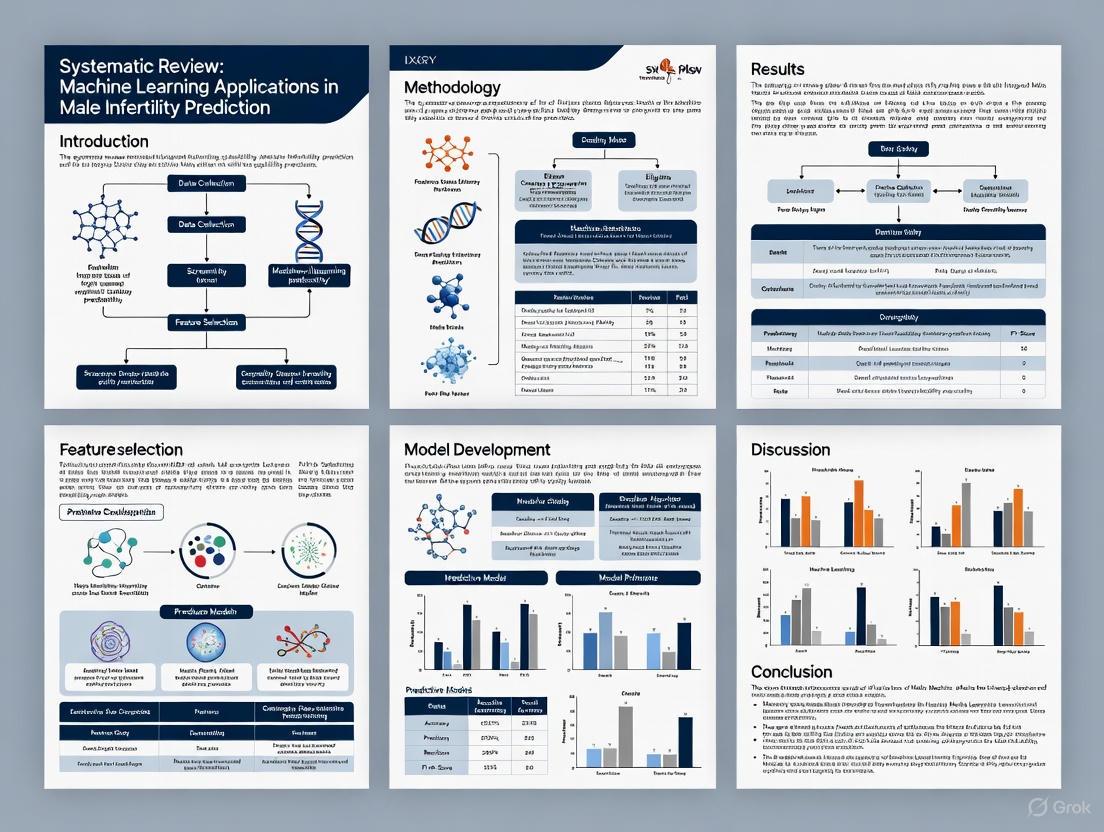
Machine Learning in Male Infertility Prediction: A Systematic Review of AI Models, Clinical Applications, and Future Directions
This systematic review synthesizes the current landscape of artificial intelligence (AI) and machine learning (ML) applications for predicting and diagnosing male infertility.
From Data to Clinic: A 2025 Guide to Machine Learning for Predictive Biomarker Validation
This article provides a comprehensive guide for researchers and drug development professionals on the application of machine learning (ML) in the validation of predictive biomarkers.
Sequencing Platform Concordance: A Comprehensive Guide for Reliable Genomic Analysis in Biomedical Research
This article provides researchers, scientists, and drug development professionals with a comprehensive framework for understanding, measuring, and optimizing concordance across next-generation sequencing (NGS) platforms.
Navigating Genetic Heterogeneity in Premature Ovarian Insufficiency: Research Strategies for Mechanistic Insight and Therapeutic Development
Premature Ovarian Insufficiency (POI) represents a significant challenge in reproductive medicine, with genetic factors contributing to 20-25% of cases.
Genetic Landscape of Primary vs Secondary Amenorrhea in POI: Etiological Insights and Diagnostic Strategies for Research and Drug Development
This article systematically compares the genetic architecture of Premature Ovarian Insufficiency (POI) presenting as primary versus secondary amenorrhea, addressing a critical knowledge gap in reproductive medicine.
Unraveling the Genetic Architecture of POI: Validation of Novel Genes in Large Cohort Studies
Primary ovarian insufficiency (POI) affects 1-3.7% of women under 40, causing infertility and significant health implications.
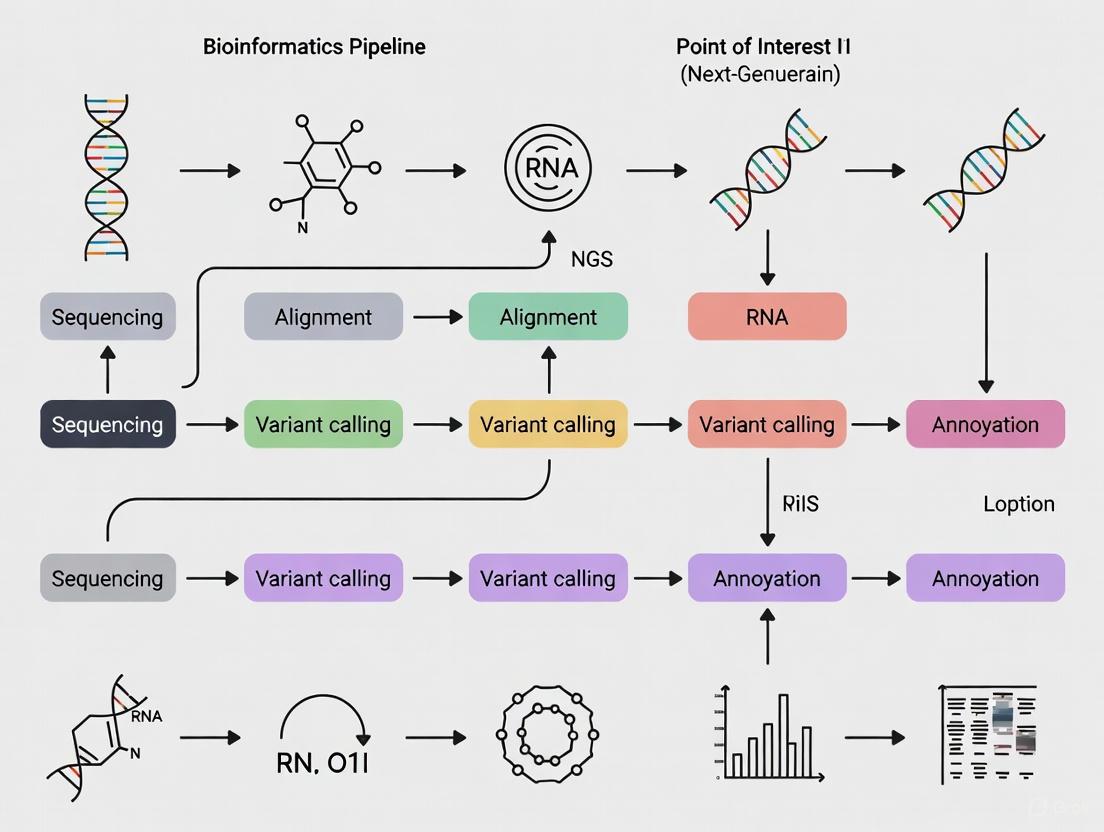
Building Robust Bioinformatics Pipelines for POI NGS Data: From Foundational Concepts to AI-Driven Analysis
This article provides a comprehensive guide for researchers and drug development professionals on constructing and optimizing bioinformatics pipelines for Primary Ovarian Insufficiency (POI) Next-Generation Sequencing (NGS) data.
Integrating Array-CGH and NGS in the POI Diagnostic Workflow: A Comprehensive Guide for Enhanced Genetic Diagnosis
Premature Ovarian Insufficiency (POI) is a genetically heterogeneous disorder, with over 70% of cases historically remaining idiopathic.
Decoding Primary Ovarian Insufficiency: A Comprehensive Guide to CNV Detection and Analysis
This article provides a comprehensive resource for researchers and clinicians investigating the genetic underpinnings of Primary Ovarian Insufficiency (POI) through copy number variation (CNV) analysis.
Decoding Idiopathic POI: A Deep Dive into a 163-Gene NGS Panel for Researchers
Premature Ovarian Insufficiency (POI), affecting 1-3.7% of women, remains idiopathic in a significant proportion of cases, posing a major challenge in female infertility.