Research Articles
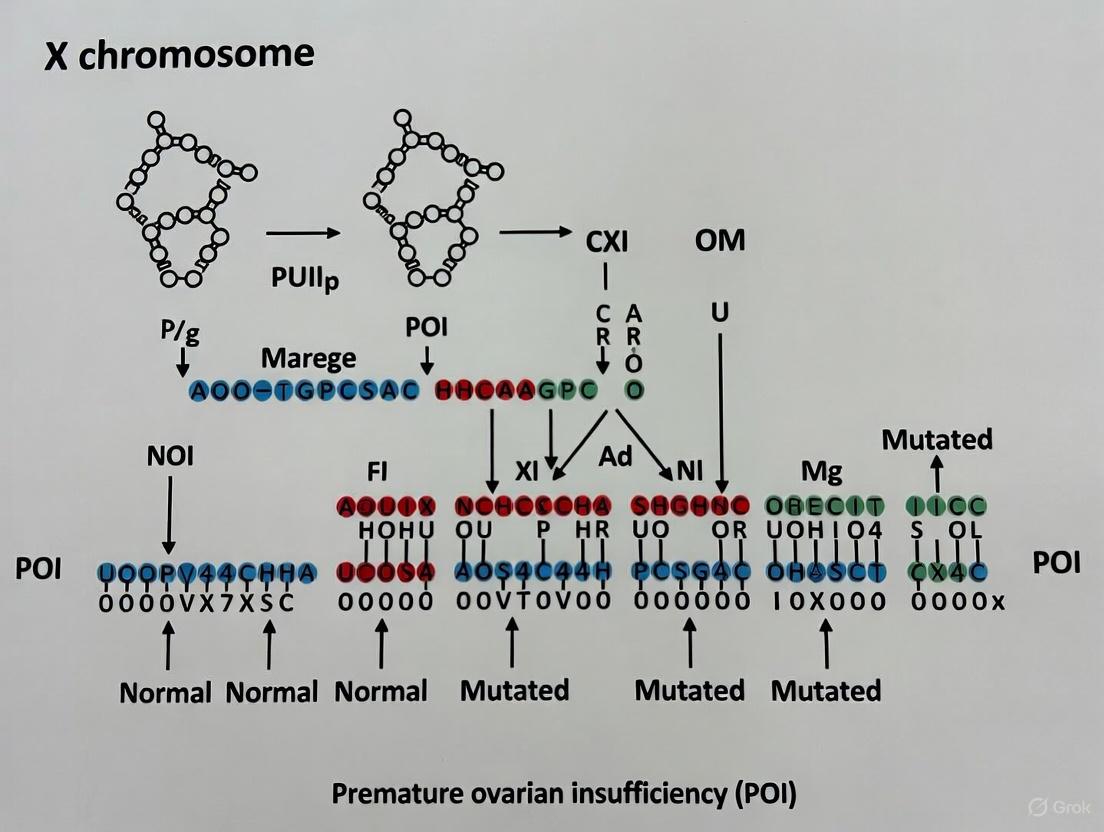
Decoding the X Chromosome: Critical Regions, Genomic Mechanisms, and Diagnostic Strategies for Premature Ovarian Insufficiency
Premature Ovarian Insufficiency (POI), the cessation of ovarian function before age 40, has a strong genetic basis, with X chromosome abnormalities being a predominant cause.
Autosomal Genes in Nonsyndromic Primary Ovarian Insufficiency: From Molecular Pathogenesis to Clinical Applications
Primary ovarian insufficiency (POI) is a significant cause of female infertility, with genetic factors contributing to approximately 20-25% of cases.
Decoding Fertility: A Comparative Analysis of Epigenetic Signatures in Male Infertility
This review synthesizes current evidence comparing epigenetic patterns between fertile and infertile men, focusing on DNA methylation, histone modifications, and non-coding RNAs.
Decoding the Sperm Epigenome: A Comparative Analysis of High vs. Low Motility Sperm and Implications for Male Fertility
This review provides a comprehensive comparative analysis of the epigenetic landscapes distinguishing high and low motile sperm.
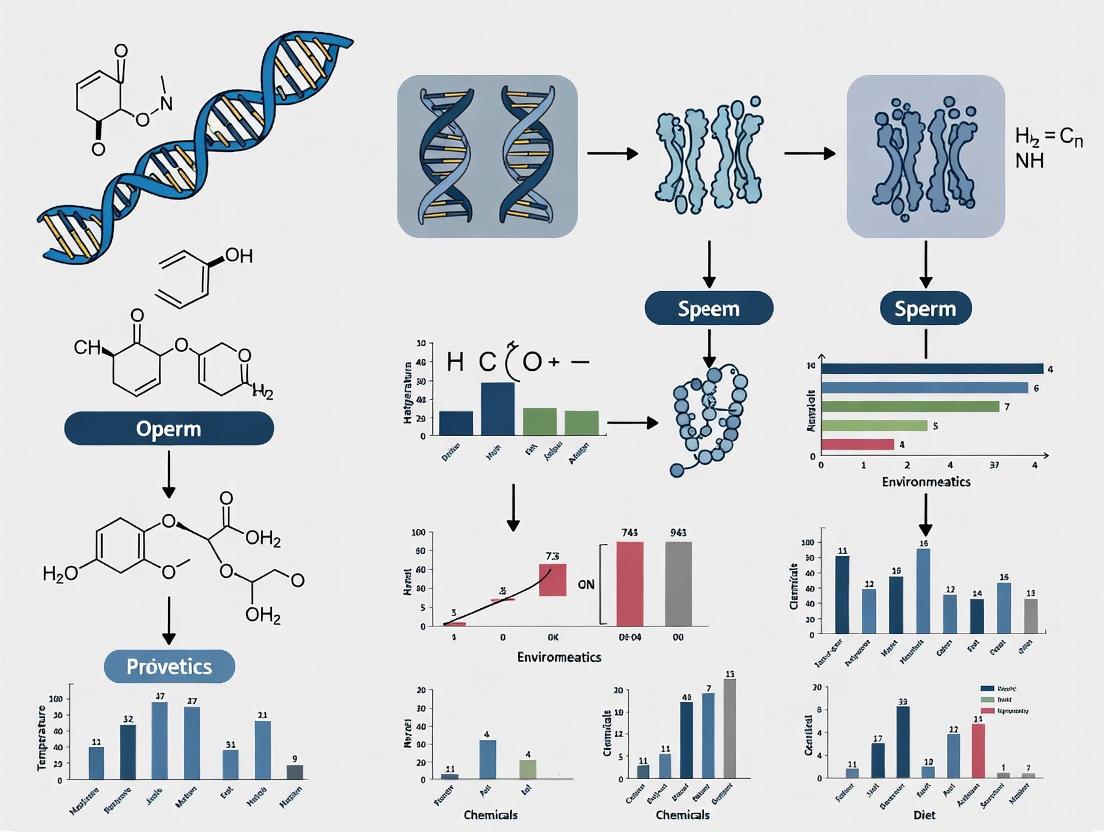
Mitigating Paternal Environmental Exposures: Strategies for Sperm Epigenome Protection and Transgenerational Health
This article synthesizes current evidence on how paternal lifestyle and environmental factors—including diet, obesity, smoking, endocrine-disrupting chemicals, and stress—reshape the sperm epigenome.
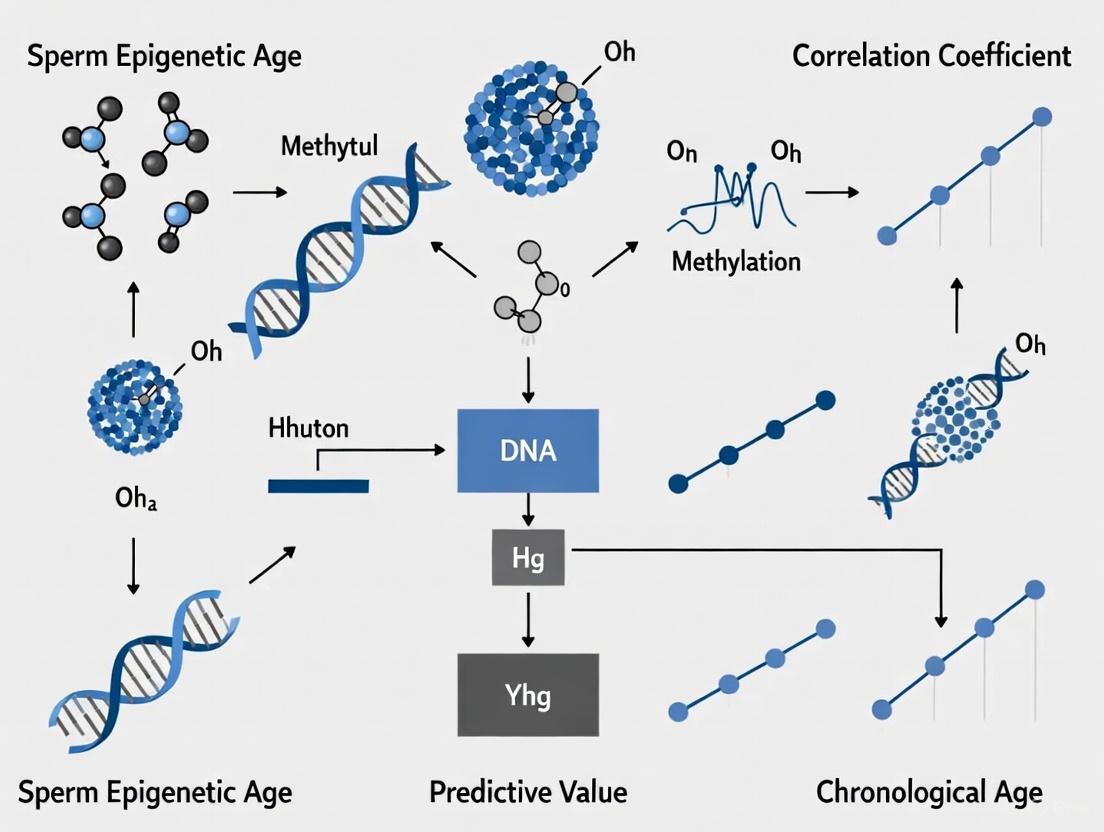
Sperm Epigenetic Age vs. Chronological Age: A Novel Biomarker for Predicting Male Fertility and Reproductive Outcomes
This article synthesizes current research on sperm epigenetic age (SEA), a biomarker of biological aging in sperm derived from DNA methylation patterns.
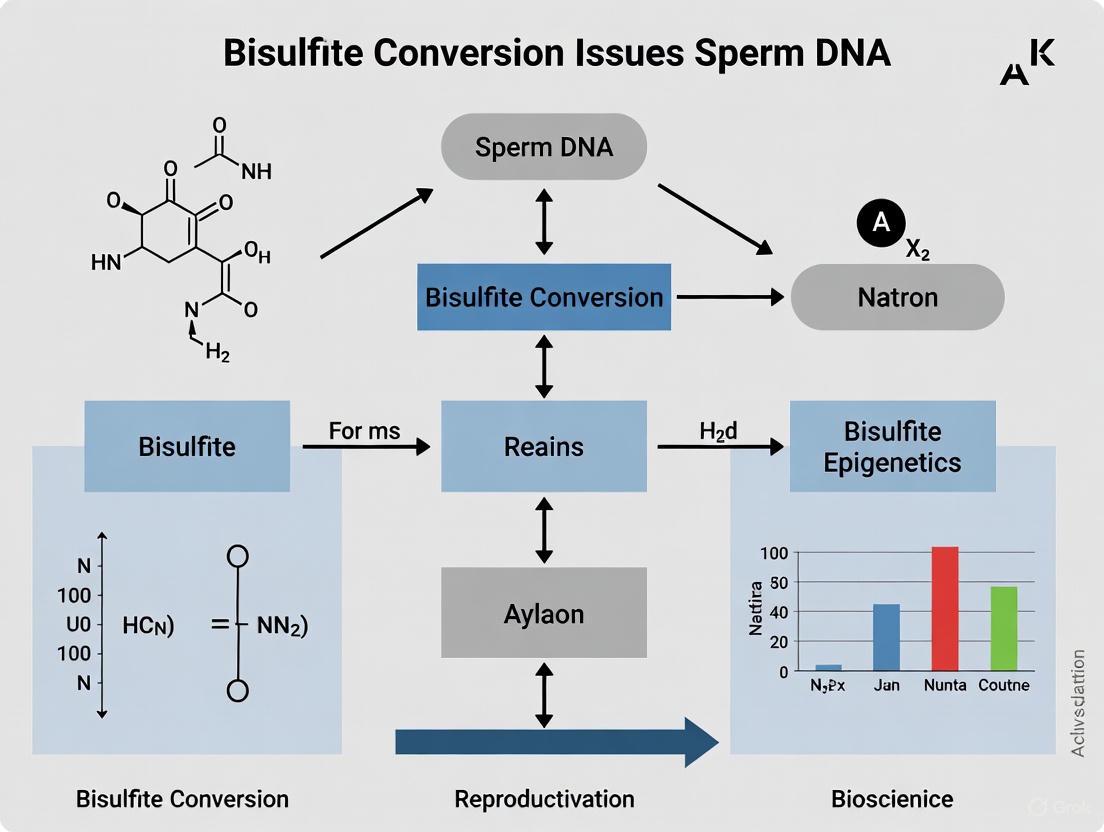
Optimizing Sperm DNA Methylation Analysis: Solving Bisulfite Conversion Challenges for Reliable Epigenetic Research
This comprehensive guide addresses the critical challenges and optimized protocols for bisulfite conversion in sperm DNA methylation analysis, a cornerstone technique for studying epigenetic inheritance, paternal health impacts on offspring,...
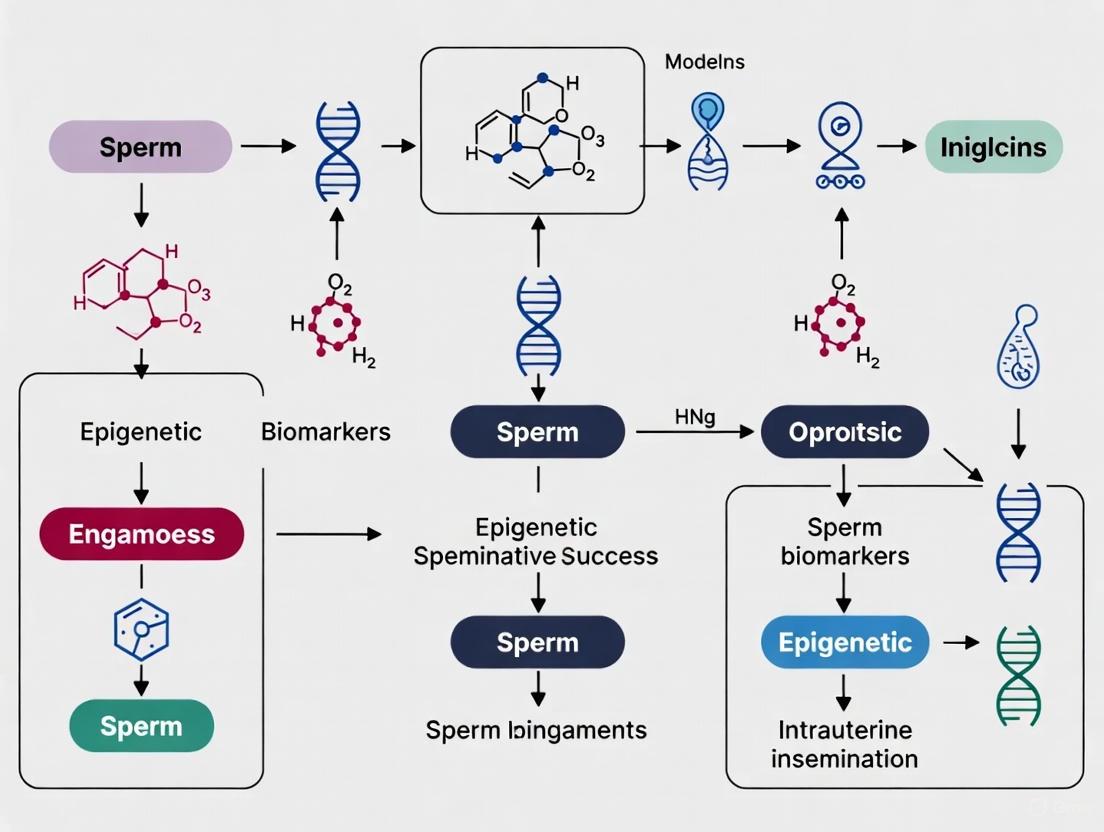
Sperm Epigenetic Biomarkers for IUI Success: Integrating DNA Methylation and Non-Coding RNA in Clinical Prediction Models
Intrauterine insemination (IUI) success rates remain variable, with male factors contributing significantly to unexplained failures.
Optimizing Sperm DNA Extraction: A Complete Guide to Using TCEP Reducing Agent for Superior Yield and Purity
The unique, disulfide-rich protamine packaging of sperm DNA presents a significant challenge for efficient extraction, often leading to low yields and degraded nucleic acids that compromise downstream analyses.
Integrating Computer-Assisted Semen Analysis with Sperm Epigenetics: A Novel Framework for Male Fertility Assessment and Biomarker Discovery
This article explores the transformative potential of integrating Computer-Assisted Semen Analysis (CASA) with sperm epigenetics to advance male fertility assessment.